HomeClerk is free to use. We may earn a fee when you request quotes or visit a partner via links on this site. This doesn’t affect our scores or rankings, see How We Rate. Advertising Disclosure
Last updated: September 2026
Best Roofing of 2026
The one repair you never want to do twice
Compare national roofing companies on materials, warranties and process, and get free quotes from vetted local crews.
After comparing 3 providers on five weighted factors, Power Home Remodeling is our top pick,
best for owners who value process and accountability. Erie Home is the stronger
choice for buy-once-cry-once metal conversions.
A roof replacement is the most expensive “invisible” purchase a home makes, and the market knows it: quotes for the same roof routinely vary by thousands. The fix is structural, not clever negotiation: multiple bids, identical specs, and warranties compared line by line. We compare the major national players and match you with local crews to bid.
How we chose
Every roofing provider here gets the same treatment: the HomeClerk research
team scores it on five weighted factors, the weights are published, and no provider can pay to move
up. Commissions never touch the math.
Force the bids onto the same spec sheet: shingle line and color, underlayment type, ice-and-water shield coverage, flashing replacement (not reuse), ventilation work, tear-off layers and decking-repair pricing per sheet. The cheapest bid usually skips one of these quietly.
Then compare warranties as two separate promises: the manufacturer covers the shingles, the contractor covers the workmanship. A 50-year shingle under a 2-year workmanship warranty is a 2-year roof if the install is bad. Manufacturer-certified installers can offer enhanced system warranties that cover both, which is the strongest paper in the industry.
What pushes a roof quote up
Tear-off of multiple old layers, and any rotten decking found underneath (priced per sheet, get the rate upfront).
Pitch and access: steep, high or complicated roofs cost real labor.
Flashing and penetrations: chimneys, skylights and valleys are where roofs fail; doing them properly costs more and is worth it.
Material jumps: architectural to designer shingles, or asphalt to metal.
When to wait, and when not to
A roof with five quiet years left is often better maintained than replaced: a $500 tune-up of flashing and sealant can buy time honestly. But do not nurse a roof through active leaks; water damage to decking, insulation and interiors costs more than the roof. And replace before listing a house, not after a buyer’s inspector names the price for you.
For a typical single-family home, architectural asphalt shingles usually land between $9,000 and $18,000 installed. Metal roofing runs roughly two to three times asphalt. Steep pitches, multiple stories, old-layer tear-offs and decking repairs all push the number up.
How do I know I need a new roof and not a repair?
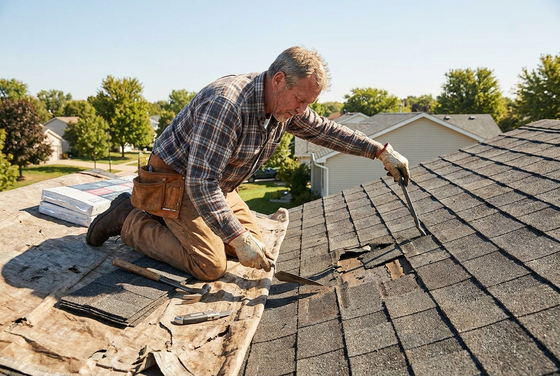
Age plus symptoms. Asphalt roofs over 20 years old with widespread granule loss, curling or multiple leaks are replacement candidates. A localised leak on a younger roof is usually a repair. A reputable roofer will show you photos from the roof of whatever they claim to find.
Will insurance pay for it?
Only for sudden damage, like a storm, not for wear and age. If a storm did hit, document it quickly and involve your insurer before signing anything; be cautious of door-knockers offering to “handle the claim” after weather events.
What is the 25% rule in roofing?
A common building-code threshold, best known from Florida: if more than a quarter of the roof is damaged or repaired within 12 months, the code requires bringing the whole roof up to current standards instead of patching. It is also a sensible budgeting line, since damage past 25 percent rarely justifies repair pricing.