HomeClerk is free to use. We may earn a fee when you request quotes or visit a partner via links on this site. This doesn’t affect our scores or rankings, see How We Rate. Advertising Disclosure
Last updated: July 2026
Best Siding of 2026
New siding without the showroom runaround
Compare vinyl, fiber cement and engineered wood siding on price, durability and looks, and get free quotes from installers who cover your area.
1
James Hardie
The fiber cement benchmark for durability and resale
After comparing 3 providers on five weighted factors, James Hardie is our top pick,
best for owners who want the longest-lasting siding and top curb appeal. Champion is the stronger
choice for owners who want a single crew accountable for the whole exterior.
Siding is the most visible upgrade you can make to a house, and the quote depends as much on the crew as the material. Vinyl, fiber cement and engineered wood each trade price against durability and looks, and the real number only appears after a home visit. We compare the major brands honestly and connect you with installers so the bids can compete.
How we chose
Every siding provider here gets the same treatment: the HomeClerk research
team scores it on five weighted factors, the weights are published, and no provider can pay to move
up. Commissions never touch the math.
Never take the first visit price. Full-service exterior companies often present a high opener with a same-day discount for signing now; it is a script, not a deal. Collect three bids on the same scope and let each installer know the others exist.
Compare bids on the same spec: the material and product line, whether old-siding removal and disposal are included, the house wrap underneath, trim and accessories, and the labor warranty. A cheap bid that skips tear-off or wraps over old siding is not the same job.
What moves the price
Material: vinyl is cheapest; fiber cement and engineered wood cost more in product and labor.
Home size and stories: more square footage and second-story access add material and labor.
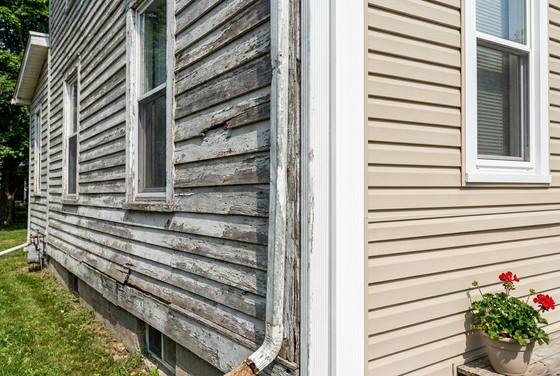
Tear-off and repair: removing old siding and fixing rotten sheathing adds cost but is often necessary.
Trim and details: dormers, gables and lots of windows mean more cutting and trim work.
Insulation: insulated vinyl or added house wrap raises the price and the energy benefit.
Choosing an installer, not just a brand
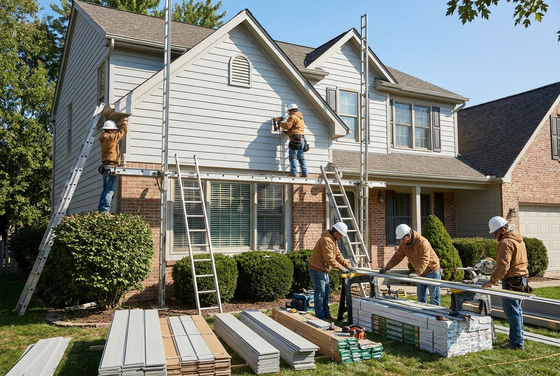
The material warranty comes from the manufacturer; the part that fails is almost always the installation. Ask how the crew flashes windows and doors, how they handle house wrap, and whether installers are in-house or subcontracted. For fiber cement, confirm the crew is experienced with that material specifically, since it is cut and fastened differently from vinyl. Get the labor warranty in writing and check the company has been around long enough to honor it.
Most homeowners pay between $8,000 and $20,000 to re-side an average single-family home, or roughly $4 to $14 per square foot installed. Vinyl is the budget end, fiber cement such as James Hardie sits mid to upper range, and engineered wood lands in between. Removing old siding and repairing any rot adds to the total.
Vinyl, fiber cement or engineered wood?
Vinyl is cheapest, low-maintenance and the right call for most budgets. Fiber cement like James Hardie costs more but resists fire, rot and pests and holds paint for years, which is why it leads on resale. Engineered wood such as LP SmartSide splits the difference with a real-wood look and lighter weight. Install quality matters more than the brand on the box.
Does new siding add value to my home?
Yes, more than almost any other exterior project. National remodeling cost studies routinely show fiber cement and vinyl siding replacement recouping a large share of their cost at resale, and new siding is one of the first things buyers notice. Curb appeal and avoided maintenance carry most of the case.
How long does a siding job take?
A typical single-family home takes about one to two weeks, depending on size, the material and whether old siding has to come off first. Fiber cement is heavier and slower to hang than vinyl, and weather or hidden rot can extend the timeline.